2026-05-07·
A Deep Dive Into The Origin And The Sound Of The Duduk, Its Role In Current Western Culture And For The Armenian Identity
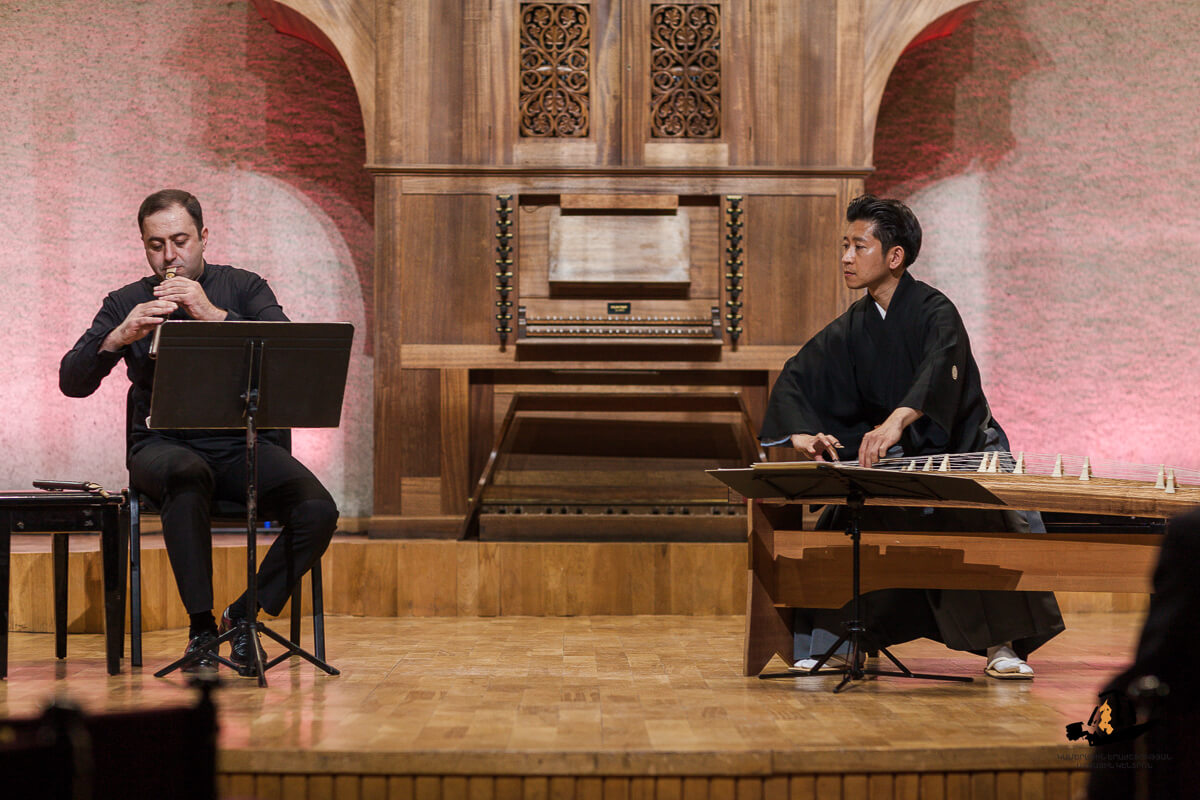
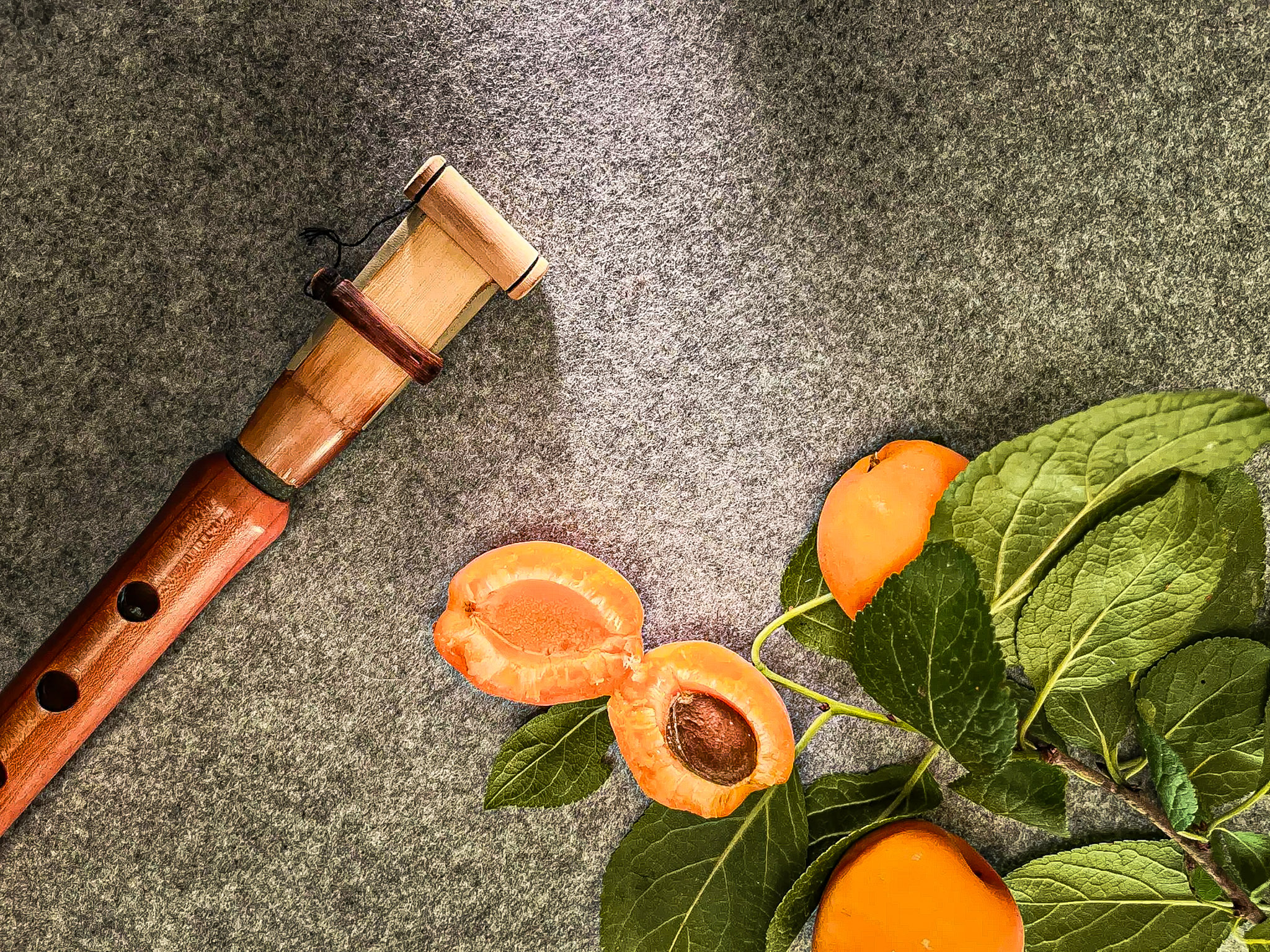
The duduk is an ancient Armenian double-reed woodwind instrument carved from aged apricot wood, with roots stretching back over two thousand years to the era of King Tigran the Great. Its hauntingly warm and melancholic tone, achieved through circular breathing and traditionally played in pairs, has made it a deeply cherished symbol of Armenian culture and earned it UNESCO Masterpiece of Intangible Heritage status in 2008.
By Susanne Hessmann
As a result of the Armenian genocide, hundreds of thousands of survivors found refuge in various parts of the world, forming the traditional Armenian Diaspora. The Diaspora further expanded after the collapse of the Soviet Union and the economic and regional turmoil following it. Today, around 7 million Armenians live in more than 100 countries around the world2.
Even if you don’t know about the historical context and tragedy you can feel the pain and nostalgia in the music. (Some important players and theoreticians like .. even came to say that only Armenian’s can truly play the duduk as only them know the sorrow that is needed to play it as it’s supposed to play.( the player must understand sadness))
The duduk is played during national events that celebrate key aspects of the Armenian culture and history which shows the effort to perpetuate the duduk as a symbol of Armenia.
Besides its popular use for mournful melodies the duduk can actually produce a wide range of tones and more upbeat melodies, including rhythmic dance tunes played at weddings, festive occasions or family gatherings. (And: many duduk melodies that sound mournful to “western ears”, do not sound so sad to Armenians. )
Duduk music is also known to provide solace, comfort and healing to Armenians to those who have left and lost their home country. As cultural memory, the national music remains as a magical means to connect to a lost past and mourn, as well as to create hope and keep the memory of their ancient nation’s cultural heritage alive.
In nowadays Armenia some associations like the Naregatsi Art Institute dedicate their work in preserving the knowledge and pass on the skills how to play the duduk and how to achieve mastery in the ancient art to younger generations from Armenia. And group of young people from the diaspora from around the world visit Armenia to learn about their culture – including the duduk.
---
Footnotes:
1 Before the population was 2 Millions, after the genocide 400.000 were left. “On the eve of World War I, there were two million Armenians in the declining Ottoman Empire. By 1922, there were fewer than 400,000. The others — some 1.5 million — were killed in what historians consider a genocide.” https://archive.nytimes.com/www.nytimes.com/ref/timestopics/topics_armeniangenocide.html
2 With dozens of pan-Armenian and spiritual organizations, hundreds of community and patriotic groups, ca. 1,000 daily and weekly schools, scientific and educational institutions, sports and cultural associations, charities, and socio-political entities actively working in the Diaspora. (http://diaspora.gov.am/en/diasporas)
Sources:
- Sylvia Alajaji: Diasporic Communities and Negotiated Identities: Trauma, Recovery, and the Search for the Armenian Musical Voice. Rochester, New York, 2009
- Armenian Genocide of 1915: An Overview
- Armenian Diaspora Communities
- The Russia House
- The Duduk: From Village Feasts to Hollywood Movies
- World Music: The Rough Guide
- Djivan Gasparyan and The Duduk
- I Come from Oblivion, Van Magazine
- Duduk.com - FAQ
- Armenian Duduk Workshop
- REED, HEIDI, D.M.A. (Re)imagining the Armenian Duduk: Cross-Cultural Borrowing in a Seemingly Borderless World. (2017)
Page 3 of 3